
Network automation has revolutionized telecommunications by enabling more efficient and reliable management of complex infrastructures. Automation can be applied across various network types, including telecom service providers, data centers, enterprise networks, and IoT ecosystems, each with unique challenges and benefits. This article explores how network automation is utilized across these different use cases, highlighting its advantages and showcasing real-world applications.
Telecom providers rely on automation to manage and optimize their networks more effectively. Automation allows service providers to:
Data centers are the backbone of digital infrastructure, hosting critical applications, services, and storage for telecom providers, cloud operators, and enterprises. Automation in data centers helps reduce operational complexity, enhance scalability, and improve performance.
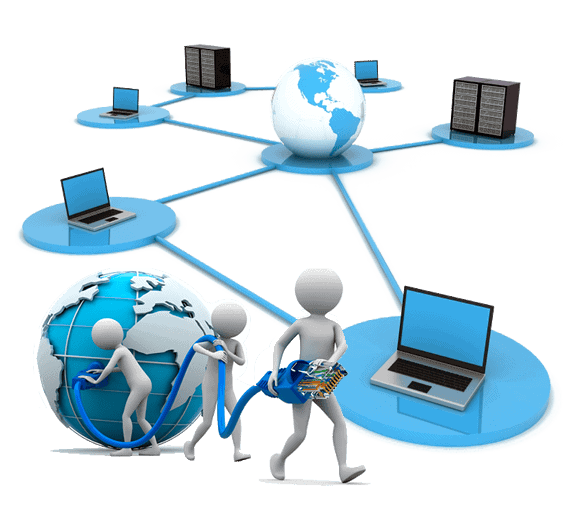
Hyperscale cloud networks, such as those operated by AWS, Microsoft Azure, and Google Cloud, rely heavily on automation to manage vast infrastructure spread across multiple regions. Automation in these environments enables:
Enterprise networks are becoming increasingly complex as businesses adopt cloud computing, remote work, and IoT technologies. Automation helps enterprises manage their networks more efficiently, ensuring security, reducing downtime, and optimizing performance.

The Internet of Things (IoT) connects billions of devices, including sensors, cameras, and industrial equipment, across networks. IoT networks are vast and dynamic, requiring real-time data processing, low latency, and high scalability. Automation is critical for managing these networks efficiently.
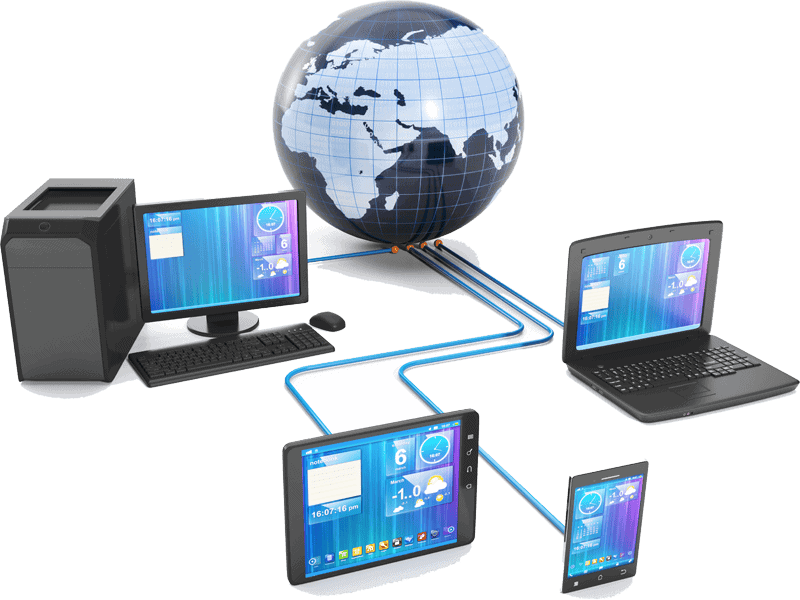
Network automation is essential for managing the complexities of modern telecom, cloud, enterprise, and IoT networks. For service providers, automation enhances service delivery and scalability, while in data centers and hyperscale cloud networks, it optimizes performance and reduces costs. Enterprises benefit from automated network efficiency and security, and IoT networks rely on automation to handle large-scale deployments with low-latency, high-capacity requirements. As automation technologies continue to evolve, they will play an increasingly critical role in ensuring that networks are scalable, secure, and capable of supporting the next generation of connected services.

We use cookies to improve your experience on our site. By using our site, you consent to cookies.
Manage your cookie preferences below:
Essential cookies enable basic functions and are necessary for the proper function of the website.
CloudFlare provides web performance and security solutions, enhancing site speed and protecting against threats.
Service URL: developers.cloudflare.com (opens in a new window)
Trustindex collects reviews from platforms such as Google, Facebook and Tripadvisor and displays them on a site as embedded review widgets, rating badges and social media feeds.
Service URL: www.trustindex.io (opens in a new window)
A powerful content management system for creating and managing websites easily and efficiently.
WP Consent API is a plugin that standardizes the communication of accepted consent categories between plugins.
Statistics cookies collect information anonymously. This information helps us understand how visitors use our website.
Bing, powered by Microsoft, is a search engine providing web, image, video, and map search capabilities.
Google Analytics is a powerful tool that tracks and analyzes website traffic for informed marketing decisions.
Service URL: policies.google.com (opens in a new window)
Google Tag Manager simplifies the management of marketing tags on your website without code changes.
Marketing cookies are used to follow visitors to websites. The intention is to show ads that are relevant and engaging to the individual user.
Google Maps is a web mapping service providing satellite imagery, real-time navigation, and location-based information.
Service URL: policies.google.com (opens in a new window)
Needed for certain functions and features of the website to operate
These cookies are needed for adding comments on this website.
Vimeo is a video hosting platform for high-quality content, ideal for creators and businesses to showcase their work.
Service URL: vimeo.com (opens in a new window)
A video-sharing platform for users to upload, view, and share videos across various genres and topics.
Service URL: www.youtube.com (opens in a new window)
You can find more information in our Cookie Policy and Privacy Policy.