
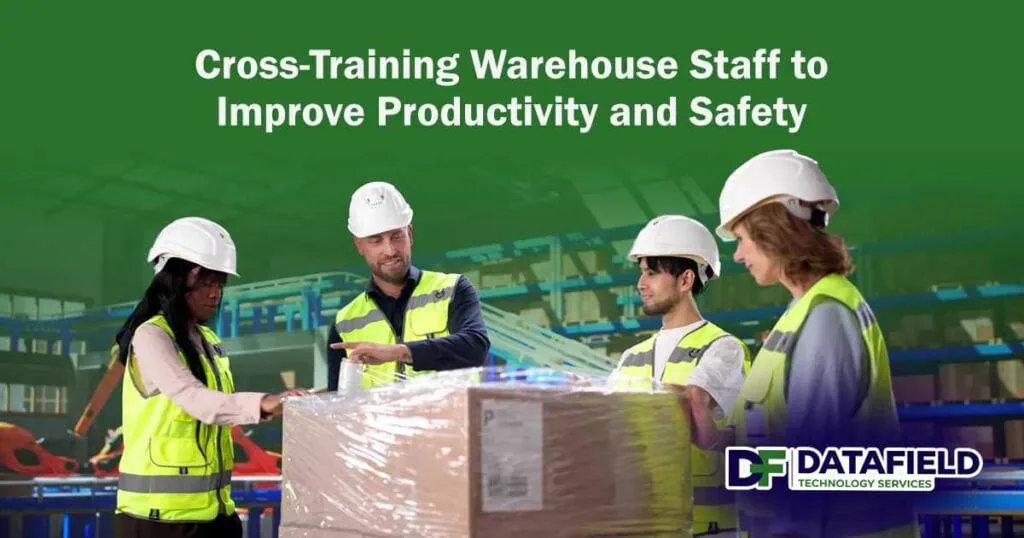
In today’s fast-paced warehouse environment, efficiency and safety are top priorities. Warehouses face constant pressure to meet delivery deadlines, manage inventory, and handle fluctuating workloads. One of the most effective strategies for maintaining smooth operations is cross-training warehouse staff. By equipping employees with multiple skills and responsibilities, warehouses can improve productivity, reduce downtime, and foster a safer work environment.
Cross-training also supports warehouse productivity strategies by ensuring that workers are adaptable, reliable, and capable of filling multiple roles when needed. A flexible warehouse workforce can respond to staffing gaps, peak seasons, and unexpected challenges without compromising performance or safety.
Why Cross-Training Is Essential in Modern Warehouses
The Growing Need for Multi-Skilled Teams
Modern warehouses face increasing demands due to e-commerce growth, tighter delivery schedules, and complex supply chains. Relying solely on staff who specialize in one role can create bottlenecks and slow down operations. Cross-training warehouse staff allows employees to handle multiple tasks, from picking and packing to inventory management and shipping.
A workforce with versatile skills ensures continuity when employees are absent or reassigned. Multi-skilled teams can maintain operational flow and reduce the impact of unexpected staffing shortages. In addition, cross-trained employees often develop a deeper understanding of warehouse processes, which contributes to smoother workflow and fewer errors.
How Cross-Training Supports Warehouse Productivity Strategies
Cross-training aligns with key warehouse productivity strategies by increasing operational flexibility and efficiency. When workers can perform multiple functions, management can shift resources quickly to meet changing demands. This adaptability helps reduce downtime, prevent bottlenecks, and maximize output.
Additionally, cross-training encourages collaboration among staff. Employees gain insights into different roles, improving communication and coordination. This approach also enhances overall job satisfaction, as workers feel more valued and empowered by their expanded skill set.
Improving Flexibility and Reducing Downtime
Reducing Bottlenecks Through Role Coverage
One of the main advantages of cross-training warehouse staff is the ability to reduce operational bottlenecks. When employees are trained in multiple roles, they can step in wherever needed, preventing delays caused by absent or overloaded staff. This ensures that critical tasks—such as order fulfillment, inventory checks, and shipping—continue without interruption.
Cross-trained staff can also respond quickly to sudden surges in demand or unexpected changes in workload. This flexibility keeps operations running smoothly and supports warehouse productivity strategies aimed at minimizing downtime and maximizing efficiency.
Supporting a More Flexible Warehouse Workforce
A flexible warehouse workforce is better equipped to adapt to seasonal demands, fluctuating order volumes, and unexpected staff shortages. Cross-training creates a pool of capable employees who can rotate across departments, fill temporary gaps, and maintain consistent performance.
In addition, flexibility allows management to deploy talent strategically. Employees with multiple skills can focus on high-priority tasks when needed, helping to maintain a balanced workflow and reduce stress on individual team members. Over time, a workforce trained in multiple roles becomes more resilient, reliable, and aligned with operational goals.
The Safety Advantages of a Cross-Trained Workforce
How Cross-Training Strengthens Warehouse Safety Practices
Cross-training warehouse staff not only improves efficiency but also enhances workplace safety. Employees who understand multiple roles are more aware of potential hazards across different areas of the warehouse. This awareness helps prevent accidents and reinforces adherence to safety protocols.
For example, a worker trained in both inventory handling and equipment operation is better prepared to identify unsafe practices, such as improper lifting techniques or incorrect use of forklifts. By distributing safety knowledge across the workforce, warehouses can reduce workplace incidents and maintain compliance with occupational safety standards.
Reducing Risk Through Standardized Training
Standardized cross-training ensures that all employees follow consistent procedures for handling materials, operating machinery, and performing tasks. When workers are trained in multiple areas using uniform safety practices, it minimizes the risk of errors that can lead to injuries or damaged inventory.
A cross-trained workforce also allows for smoother onboarding of new hires. New employees can learn from experienced staff who understand both the operational and safety requirements of different roles. This approach promotes a culture of safety while maintaining high levels of productivity, ultimately supporting both warehouse safety practices and overall operational efficiency.
How to Build a More Adaptable Warehouse Team
Developing Skill Maps and Training Priorities
Building an adaptable warehouse team starts with understanding the skills each employee currently possesses and identifying gaps that need to be filled. Creating skill maps helps management track who can perform which tasks and where additional training is necessary.
By prioritizing training for critical functions, warehouses ensure that key roles are always covered. This structured approach allows managers to focus on areas that will have the greatest impact on warehouse productivity strategies and workforce flexibility. Skill maps also provide a clear roadmap for employees, showing them the opportunities for growth and additional responsibilities.
Structured Training Plans for Long-Term Improvements
Effective cross-training requires a structured plan that includes defined learning objectives, hands-on practice, and periodic assessments. Training should cover operational procedures, safety protocols, and performance standards for each role.
Structured plans encourage consistency, reduce errors, and help employees gain confidence in new tasks. Over time, this investment in cross-training develops a workforce that is versatile, reliable, and capable of maintaining high performance even during peak seasons or unexpected disruptions.
Finding Reliable, Multi-Skilled Warehouse Workers
The Role of Screening, Experience, and Aptitude in Hiring
Finding employees who can thrive in a cross-trained warehouse environment starts with effective hiring practices. Screening candidates for relevant experience, adaptability, and aptitude ensures that new hires can learn multiple roles efficiently.
Employees with a proven track record of reliability and flexibility are better suited to support warehouse productivity strategies. Assessing problem-solving skills, willingness to learn, and familiarity with warehouse technology helps managers identify candidates who will contribute to a safer and more efficient operation.
How Staffing Partners Provide Cross-Trained Talent
Many warehouses partner with staffing agencies to source multi-skilled workers. Staffing partners can provide employees who are already trained in various warehouse functions, reducing the time and resources required for internal training.
These partnerships help warehouses maintain a flexible warehouse workforce capable of adapting to changing demands. By leveraging staffing solutions, managers can quickly scale teams, fill temporary gaps, and ensure that operational efficiency and safety standards remain consistent.
Strengthen Your Workforce With Flexible Warehouse Staffing
Build a Team That Improves Productivity and Safety
Cross-training warehouse staff is most effective when paired with flexible staffing solutions. Partnering with experienced warehouse staffing providers allows businesses to access reliable, multi-skilled workers who can adapt to various roles. This approach ensures that operations continue smoothly, even during peak periods or unexpected staff shortages.
By integrating flexible warehouse staffing into workforce planning, warehouses can maintain high levels of productivity, reduce downtime, and enhance safety practices. Employees who are supported by strategic staffing solutions are better equipped to handle diverse tasks, leading to a more resilient and efficient operation.
Using professional warehouse staffing solutions can simplify the process of building a workforce that is adaptable, reliable, and capable of meeting evolving warehouse demands.
Get Help Building a More Capable Workforce
Investing in cross-training and flexible staffing allows warehouses to optimize performance and safety simultaneously. Warehouse leaders can partner with staffing experts to ensure they have the right mix of skilled employees ready to handle multiple roles, and they can get started today by calling DatafieldUSA at +1 614-847-9600. This proactive approach minimizes downtime, strengthens team adaptability, and supports long-term operational success.